Masking in Autism and ADHD: Understanding the Hidden Struggle
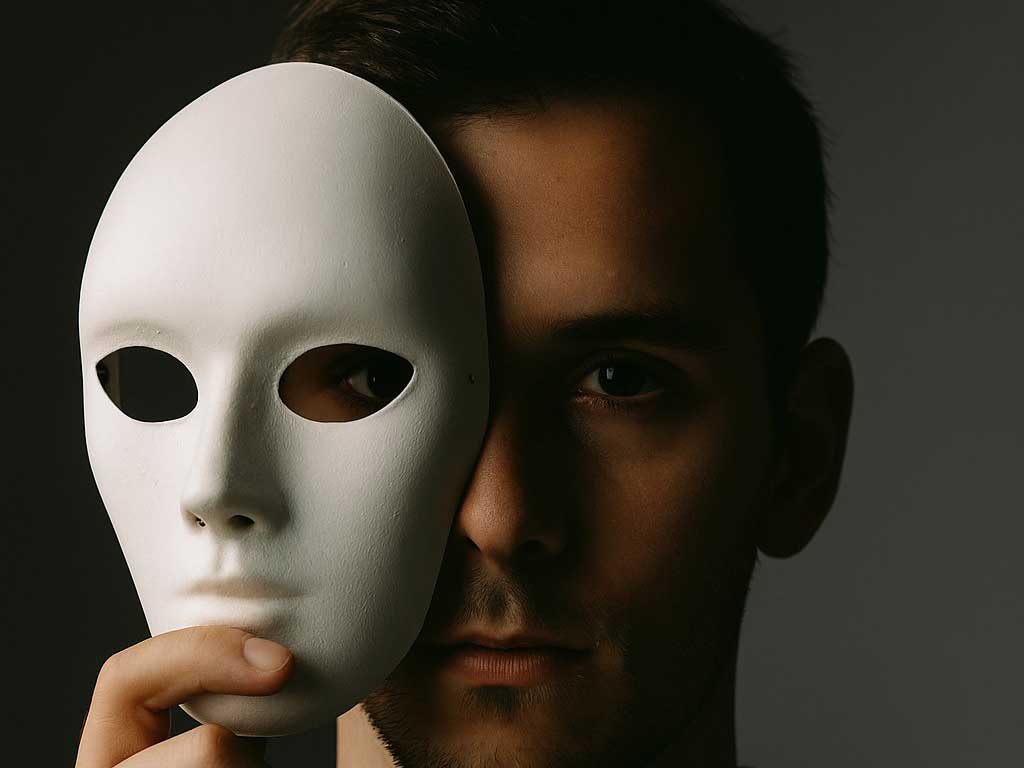
Many neurodivergent individuals—especially autistic or ADHD individuals —spend much of their lives modifying how they present themselves. Not out of choice, but out of necessity: to feel safe, accepted, or simply to get through the day. This process is known as masking—a survival strategy used to hide neurodivergent traits and suppress needs in a world that often misunderstands difference.
While masking can help people navigate social expectations, it comes at a significant emotional and psychological cost. In this post, I’ll explore what masking is, how it differs from healthy adaptation, how it can affect mental health, and how Cognitive Behavioural Therapy (CBT) can support clients in reclaiming their authentic selves.
What Is Masking?
Masking (also called camouflaging or impression management) refers to the conscious or unconscious effort to conceal neurodivergent traits and behaviours in order to fit in or avoid negative judgement. It’s especially common in autistic and ADHD individuals, who may feel pressure to suppress their natural ways of thinking, communicating, or self-regulating.

Common masking behaviours include:
- Forcing eye contact despite discomfort
- Suppressing stimming (e.g. hand-flapping, fidgeting, rocking)
- Rehearsing or scripting conversations
- Mimicking facial expressions, tone, or gestures
- Hiding sensory sensitivities or emotional distress
- Downplaying special interests or passions
- Overcompensating with perfectionism or people-pleasing
- Staying silent or withdrawn to avoid social mistakes
Masking isn’t just social adaptation—it’s often a deeply ingrained response to years of invalidation, exclusion, or misunderstanding.
Masking vs Adapting Behaviour: What’s the Difference?
It’s natural for everyone to adjust their behaviour depending on context—being more formal in a job interview, or quieter in a library. This is adaptive behaviour, and it’s part of healthy social functioning.
Masking, however, goes beyond adaptation. It involves suppressing core traits, needs, and instincts to avoid rejection or harm and individuals often need time to recover after masking
Masking is often a trauma response. It’s about safety, not choice. Many clients describe feeling like they’ve “lost themselves” after years of masking—unsure where the adjustments end and their true self begins.
Masking doesn’t always happen consciously—sometimes it becomes an automatic response to social pressures, meaning individuals may not even realise they’re doing it. Both masking and unmasking demand sustained effort: masking requires constant self-monitoring and suppression of natural behaviours, while unmasking is often a gradual, energy-intensive process of reconnecting with one’s authentic self in safe environments.
Why Do Autistic and ADHD Individuals Mask?
Autism
Autistic people may mask to:
- Avoid bullying, discrimination, or being perceived as “difficult”
- Meet social expectations that feel unnatural or overwhelming
- Navigate environments that aren’t autism-friendly
- Maintain employment or relationships
- Feel safe in settings where their authentic traits are misunderstood
ADHD
People with ADHD may mask by:
- Suppressing impulsivity or hyperactivity
- Over-preparing to avoid mistakes or criticism
- Hiding forgetfulness or distractibility
- Mimicking organisational habits of others
- Avoiding situations that might expose their challenges
The Mental Health Impact of Masking
While masking can offer short-term social acceptance, the long-term consequences can be profound:
- Chronic stress and exhaustion
- Anxiety, depression, and burnout
- Identity confusion and low self-esteem
- Difficulty forming authentic relationships
- Delayed diagnosis and lack of support
- Increased risk of suicidal thoughts or self-harm
Many clients describe feeling like they’re living a double life—appearing “fine” on the outside while struggling internally. This disconnect can lead to a deep sense of isolation and emotional fatigue.

How CBT Can Help
Cognitive Behavioural Therapy (CBT) offers a structured, compassionate framework for exploring the thoughts, beliefs, and behaviours that underpin masking. When adapted for neurodivergent clients, CBT can support unmasking in a way that feels safe, validating, and empowering.
CBT can help clients to:
- Identify masking behaviours and understand their origins
- Challenge internalised beliefs (e.g. “I must hide who I am to be accepted”)
- Develop emotional regulation strategies to manage anxiety and overwhelm
- Build self-compassion and reconnect with authentic identity
- Practice assertiveness and boundary-setting
- Explore values and strengths beyond performance or perfectionism
- Create safe environments where unmasking feels possible
- Problem-solve strategies to manage challenging situations
Importantly, CBT doesn’t aim to “fix” neurodivergence—it supports clients in navigating a world that often misunderstands it, while honouring their unique ways of being. My practice is neuro-affirmative, grounded in respect for all kinds of minds, and committed to honouring diverse ways of communicating and experiencing the world.
A Message of Hope
If you’ve spent years hiding parts of yourself to feel safe or accepted, please know: you are not alone, and you are not broken. Masking is a valid response to a world that hasn’t always make space for difference.
With the right support, it is absolutely possible to move from concealment to authenticity. Therapy can help you reconnect with your true self, build emotional resilience, and form relationships rooted in acceptance—not avoidance.
Healing begins not with changing who you are, but with embracing it.
You deserve to be seen, heard, and supported—just as you are.
Further reading
The National Autistic Society – Masking
Amy Pearson and Kieran Rose (2023) Autistic Masking: Understanding Identity Management and the Role of Stigma